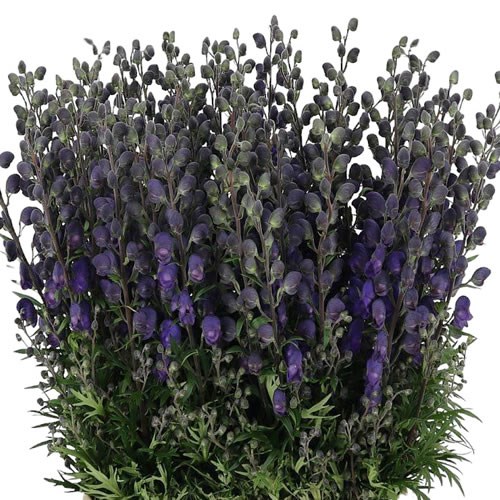
Aconitum
Aconitum is also called many other names such as wolfsbane, aconite, leopards bane, womens bane, devils helmut and blue rocket.
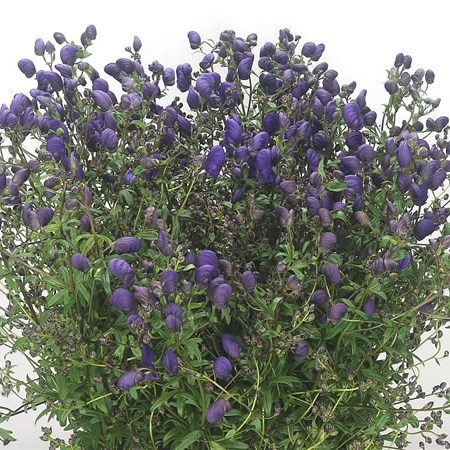
The English nick name for aconitum is Monks Hood because of the shape of the flower. Aconitum is a genus of the buttercup family and the roots are extremely poisonous - the Japanese used aconitum roots to dip arrows in before hunting bears! Please be rest assured that we do not sell aconitum with roots attached!
Learn more about fresh cut Aconitum here.

£2.52 per stem (ex VAT)
Order today for delivery 21 Aug to 22 Aug

This product is unavailable

This product is unavailable
This product is unavailable

This product is unavailable

This product is unavailable

This product is unavailable
This product is unavailable

This product is unavailable

This product is unavailable

This product is unavailable

This product is unavailable
This product is unavailable

This product is unavailable

This product is unavailable

This product is unavailable

This product is unavailable

This product is unavailable

This product is unavailable

This product is unavailable

This product is unavailable

This product is unavailable

This product is unavailable

This product is unavailable

This product is unavailable

This product is unavailable

This product is unavailable

This product is unavailable

This product is unavailable

This product is unavailable

This product is unavailable

This product is unavailable
This product is unavailable
Frequently asked questions
What type of Flower is Aconitum?
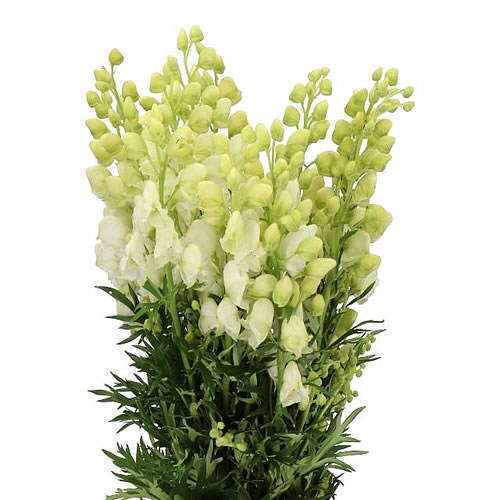
Aconitum is a tall, spike shaped cut flower, also know as 'Monkshood'. The flower petals are shaped like Monk's Hoods and the colour is usually purple. Although there are few white varieties available at certain times of the year.
How long do fresh cut Aconitum Flowers usually last?
It is very important to condition Aconitum correctly after they have been cut. The expected vase life is usually around 5-7days. Regular water changes, removing any dead petals and trimming of the stem will help to maximise the vase life. An in-depth Aconitum Flower Care Guide can be found here
Are Aconitum Flowers safe to use Indoors?
The Aconitum roots are extremely toxic - years ago the Japanese used them to tip arrow heads! Using cut Aconitum is fine though. But, please always remember, we don't recommend the consumption of any cut flower. Also, some people may be allergic to cut flower resin, so always be careful when handling them.
When is Aconitum in Season?
Fresh cut Aconitum flowers are usually availble to purchase (in the UK) during these months:
- September - November
- January - June
How do I Care & Condition fresh cut Aconitum Flowers?
- On receipt, remove any foliage that will be below the water line & trim a good inch off the bottom of the stems at a 45 degree angle.
- Sterlise your vase and add fresh water & flower food.
- Change the water every 2-3 days, each time trimming a little more off the stems.
- Always avoid leaving your vase of flowers in direct sunlight and keep away from cental heating radiators.
- Wearing gloves is also recommended when handling any fresh cut flower.
What other cut Flowers go well with Aconitum in a Floral Arrangement?
Because of their tall shape, Aconitum is generally used to add height to a floral arrangement. It pairs beautifully with most other fresh cut flowers. Roses, Hydrangea, Delphinium Larkspur and foliage such as Eucalyptus always work well.
What does Aconitum look like?
This is an image of an purple Aconitum variety called 'Napellus'.